Museums, antiquities, heritage, and the ongoing war in Sudan

By Mrs. Huda Magzoub Al-Bashir, Senior Curator of the Sudan National Museum, Khartoum (status: 14th Oct. 2025)
Mechanisms for protecting museums and antiquities in Sudan

The mechanisms for protecting museums and antiquities in Sudan are divided into two parts:

Firstly: The mechanism for protecting the building with its contents. This is further divided into two parts in terms of importance:

1. Archaeological, historical, and heritage buildings, where preservation is more important and requires greater care and caution. This also includes museums and field museums.

2. Museum collections, archaeological, historical, and heritage collections, whose preservation depends on the preservation of the building in which they are displayed, after careful selection of the site, method, and materials of construction, and the importance and concern of the state in doing so.

Secondly: The state’s mechanism for paying attention to museums, antiquities, and heritage, as a symbol of national sovereignty and identity, and any negative interference with it requires swift and necessary response.

Prior planning:

Establishing a museum under state sponsorship requires prior planning to protect it from internal and external threats and to adopt a sound and effective method for preserving it.

Mechanism based on supporting national security awareness to protect antiquities and museums and the right to swift intervention through those in charge of managing museums, antiquities, and heritage in Sudan, by following pre-planned methods to protect archaeological collections in museums and rescue them to safe areas or routes.

Mechanism for preserving museum collections:

This mechanism is the primary work mechanism in this field and is represented by:

– Museum collections themselves, in terms of collecting, restoring, documenting, displaying, publishing, preserving, and making copies of them.

– In this context, when feeling insecure, relying on the experiences of some countries that have previously preserved the originals of collections, antiquities, and artifacts in safe places and displayed copies of them to avoid theft or attacks, even if it requires returning them to the ground or to secret storage until safety is ensured.

Insurance mechanism through security agencies recognized and approved by the state to protect museums, antiquities, and heritage in Sudan.

These security agencies must receive adequate training to qualify them to preserve and protect collections and their locations, including museums.

Armed defense mechanism:

This mechanism is only allowed to be used in case of an attack on museums or their contents. It requires a deadly defense by specialized agencies to do this work and make the security of museum facilities part of national security.

Avoiding exposure of archaeological museums and their heritage to looting:

To avoid exposure of museums with rare archaeological collections to looting, especially in cases of armed threat, requires prior efforts based on:

– The state’s interest in its heritage and collections, whose loss would affect the state’s dignity, strength, and prestige.

– Several aspects and methods can be followed to avoid exposure of museums, antiquities, and museum collections to looting, theft, and aggression:

    1. Increasing and developing insurance and its methods, according to modern techniques of theft, and benefiting from the experiences of other countries.

    2. Addressing and cutting off corruption in all aspects related to the management of museums, antiquities, and heritage in Sudan.

    3. Financial preparedness can play an important role in avoiding exposure of museums to looting, by providing the necessary resources for protection and security.

    4. Working continuously to raise cultural awareness of the importance of museums, especially among security agencies, and instilling a sense of national duty to defend this heritage.

    5. Seeking international cooperation and assistance from organizations concerned with protecting museums, antiquities, and heritage worldwide.

    6. Establishing laws and deterrent penalties that must be put in place in agreement with the state and adopted internationally in case of exposure of museums, antiquities, and national heritage to looting, especially by armed parties.

State efforts to safeguard cultural heritage: The war in Sudan and the protection of antiquities

On Tuesday, October 14, 2025, the Council of Ministers approved a number of international agreements for the Ministry of Culture, Information, and Tourism. This was considered a historic event due to the long wait for these agreements to be reviewed by the Council. The approved agreements include:

1. Convention on the Means of Prohibiting and Preventing the Illicit Import, Export and Transfer of Ownership of Cultural Property (1970).

2. Convention on the Protection of the Underwater Cultural Heritage (2001).

3. UNIDROIT  „Institut international pour l’unification du droit privé“.    Convention on Stolen or Illegally Exported Cultural Objects (1995).

Additionally, the Council approved several memoranda of understanding between the Ministry of Culture, Information, and Tourism and its counterparts in China and Russia, including:

1. Memorandum of Understanding between the Ministry of Culture, Information, and Tourism of Sudan and the Ministry of Culture of the Russian Federation on cooperation in the field of culture.

The Sudan National Museum and the War in Khartoum: A guest contribution by Huda Magzoub Al-Bashir

Presented by: Huda Magzoub Al-Bashir, Head of Antiquities, Sudan National Museum, 09 October, 2025.

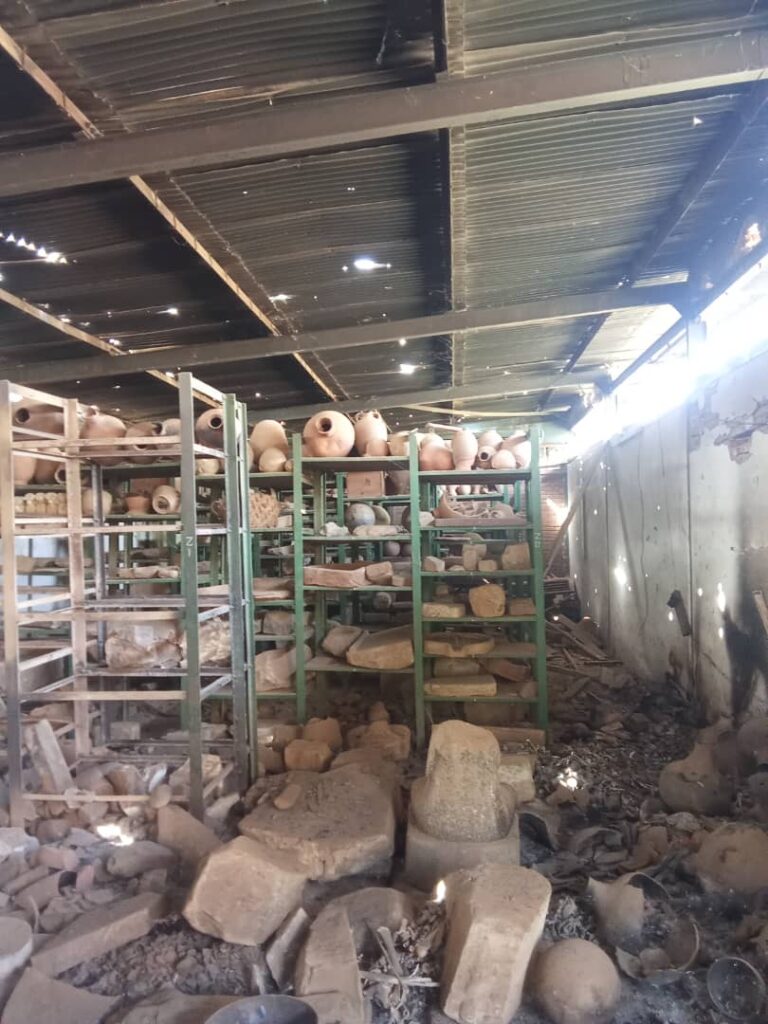
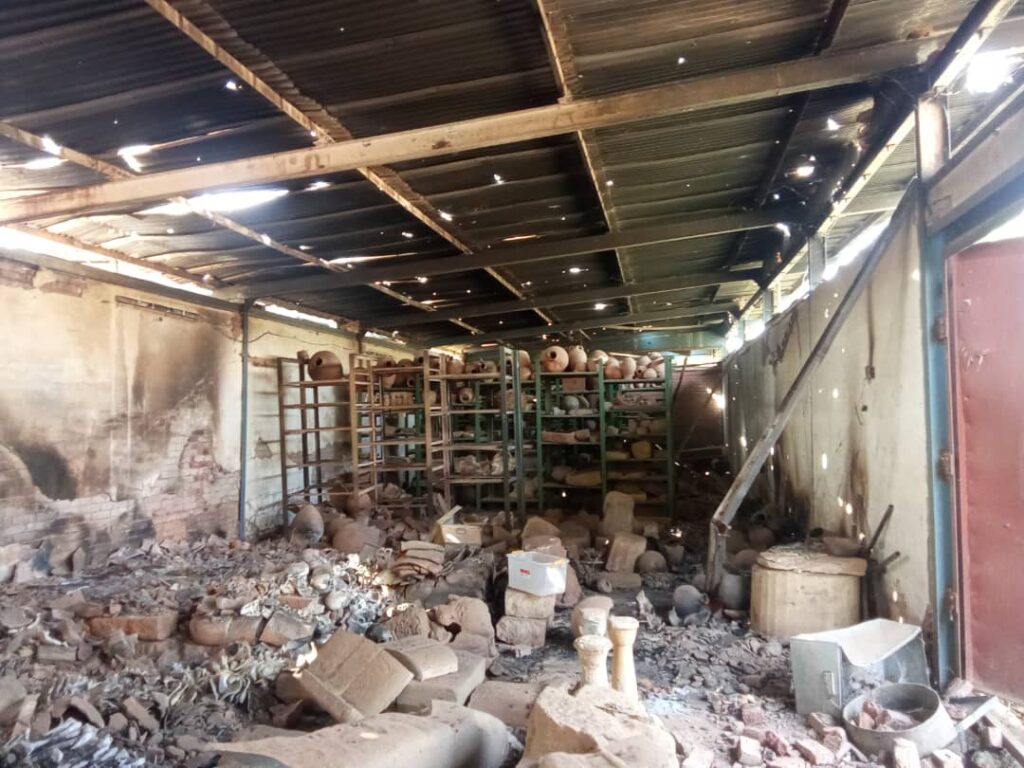
The Sudan National Museum in Khartoum has been severely damaged due to the ongoing war in the country. The museum, which houses thousands of artifacts from ancient civilizations, including statues, mummies, and golden relics, was looted and vandalized by armed groups.

Key Facts:

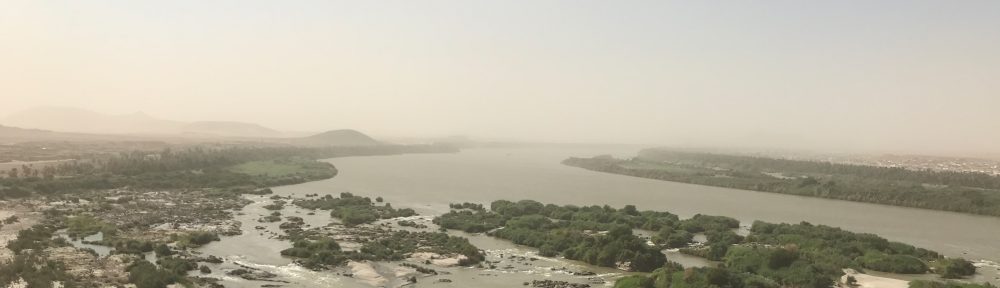
– Location: The museum is situated in Khartoum, the capital city of Sudan, along the Nile River.

– Damage: Many exhibits were stolen, and some were damaged beyond repair.

– Looted Artifacts: The stolen artifacts include golden relics and other valuable items.

– Responsibility: The Sudanese authorities blame the Rapid Support Forces (RSF) for the looting and damage.

– Impact: The looting and destruction of the museum have sparked widespread concern and condemnation, with many calling for the preservation of Sudan’s cultural heritage .

The Sudan National Museum in Khartoum has suffered significant damage and looting due to the ongoing civil war between the Sudanese Armed Forces (SAF) and the paramilitary Rapid Support Forces (RSF). Here are some key points about the situation:

– Destruction and Looting: The museum, which houses an estimated 100,000 objects, has been comprehensively looted, with thousands of artifacts stolen or destroyed. The RSF occupied the museum in June 2023, and videos have shown empty galleries, shattered display cases, and rubble strewn across the institution.

– Cultural Significance: The museum’s collection includes ancient Nubian kingdoms, Kushite empire, Christian kingdoms of Alodia and Makuria, and Islamic sultanates of Sennar and Darfur. Some of the most valuable items stolen include mummies dating back to 2500 BCE and royal Kushite treasures.

– International Response: UNESCO has appealed to international art dealers, museums, and customs authorities to refrain from trading in or facilitating the movement of Sudanese cultural property looted from the museum or protected sites. The international community is urged to raise awareness and share documentation identifying looted Sudanese artifacts to recover them.

– Current State: The museum’s strongroom was breached, and its entire archaeological gold collection was stolen. A large storage space containing over 500,000 artifacts from across the country was also ransacked and damaged.

– Impact on Heritage: Sudanese intellectuals and citizens have expressed profound grief over the museum’s destruction, framing the loss as symbolic of the broader devastation wrought by the war. The war has endangered Sudan’s cultural heritage, with several regional museums and archaeological sites vulnerable to looting and destruction.

The conflict has resulted in tens of thousands of deaths, displaced millions, and plunged the country into a humanitarian crisis. Both the SAF and RSF have been accused of committing human rights violations and international crimes

There is evidence suggesting that the stolen artifacts from the Sudan National Museum have been trafficked to several destinations, including:

– South Sudan: According to Sudanese officials, some of the stolen artifacts have been smuggled into South Sudan, where they are being bought and sold by antiquities dealers. Some of the artifacts have been identified in Juba, the capital of South Sudan, and efforts are underway with Interpol to track them down.

– International markets: Reports have emerged of stolen Sudanese artifacts being offered for sale on online platforms, such as eBay, where three stolen Sudanese statues were listed for sale for $200. However, the listings were later removed.

– Within Sudan: Some of the stolen artifacts have been found hidden in factories and homes within Sudan, as was the case in the city of Atbara, where stolen artifacts from the Nyala Museum in Darfur were discovered.

Efforts are being made by Sudanese authorities and international organizations to recover the stolen artifacts and protect Sudan’s cultural heritage.