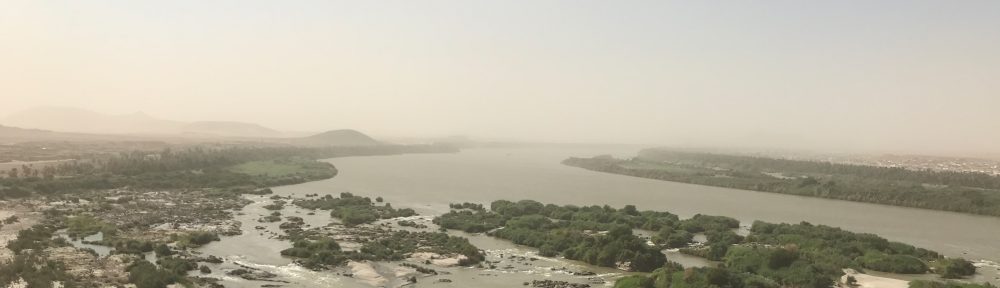
Greetings to all local and international colleagues working to protect Sudanese heritage and antiquities amidst the war in Sudan.
By Huda Magzoub Al-Bashir (Khartoum)
Protecting Archaeological Work and its Personnel in Times of War and Crisis
The Question of the Necessity of Archaeological Work in Times of War and Crisis
Archaeological work in times of war and crisis is not always necessary, but it can be important in some cases.
Importance of Archaeological Work in Times of War and Crisis:
1. Protecting Cultural Heritage: Archaeological teams can work to protect cultural heritage from destruction or looting.
2. Documenting Cultural Heritage: Archaeological teams can document cultural heritage before it is destroyed or looted.
3. Promoting Cultural Awareness: Archaeological teams can promote cultural awareness of the importance of cultural heritage.
Risks of Archaeological Work in Times of War and Crisis:
1. Risk of Injury or Death: Archaeological teams may face the risk of injury or death due to war and crisis.
2. Destruction of Archaeological Sites: Archaeological sites may be destroyed or looted due to war and crisis.
3. Difficulty Accessing Sites: It may be difficult to access archaeological sites due to war and crisis.
When should archaeological work be done in times of war and crisis?
1. When there is a risk to cultural heritage: If there is a risk to cultural heritage, archaeological teams should work to protect it.
2. When there is an opportunity to document cultural heritage: If there is an opportunity to document cultural heritage, archaeological teams should work on it.
3. When there is support from local authorities: If there is support from local authorities, archaeological teams should work to protect cultural heritage.
Ultimately, archaeological teams should assess the risks and benefits before deciding to work in times of war and crisis.
The security and academic role of archaeological work in Sudan in times of war and crisis is a vital and important topic. Sudan possesses a rich cultural heritage, but it faces significant challenges in protecting this heritage due to armed conflicts and the illicit trafficking of antiquities.
Security Role:
– Protecting archaeological sites from destruction and looting.
– Enhancing the security of museums and archaeological sites.
– Combating the trafficking of antiquities and cooperating with international organizations to recover looted artifacts.
Academic Role:
– Documenting archaeological sites and artifacts.
– Conducting archaeological research and studies to enhance understanding of Sudan’s cultural heritage.
– Promoting cultural awareness of the importance of archaeological heritage.
Challenges:
– Armed conflicts and illicit trafficking of antiquities.
– Lack of funding and technical expertise.
– Climate change and encroachment on archaeological sites.
Proposed Solutions:
– Enhancing international and regional cooperation to protect cultural heritage.
– Providing funding and technical expertise to enhance the security of archaeological sites.
– Launching awareness campaigns on the importance of cultural heritage.
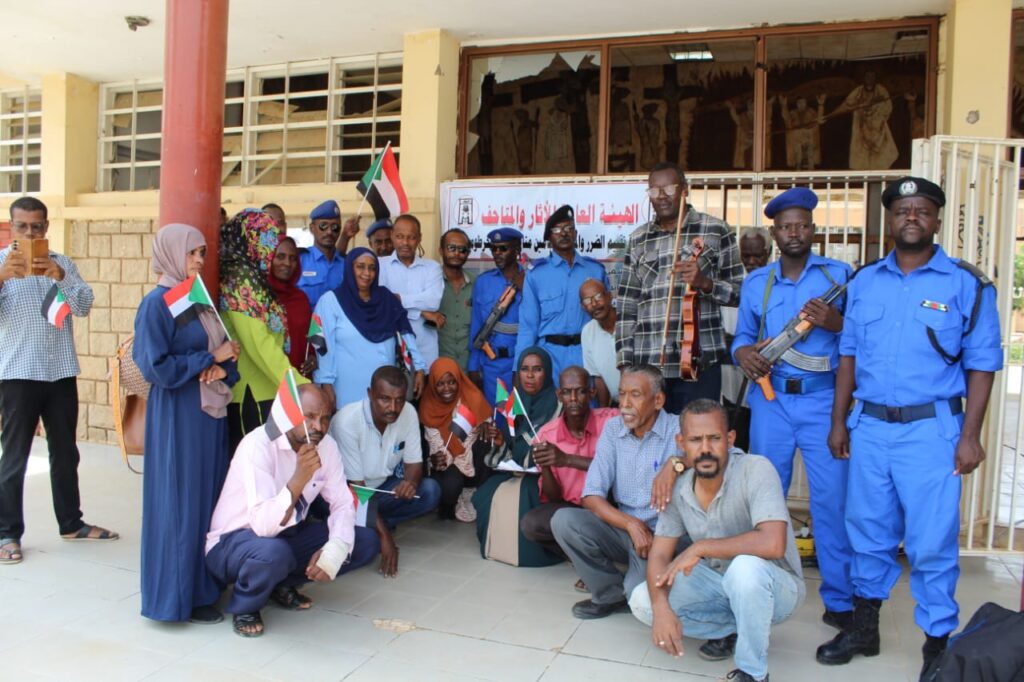
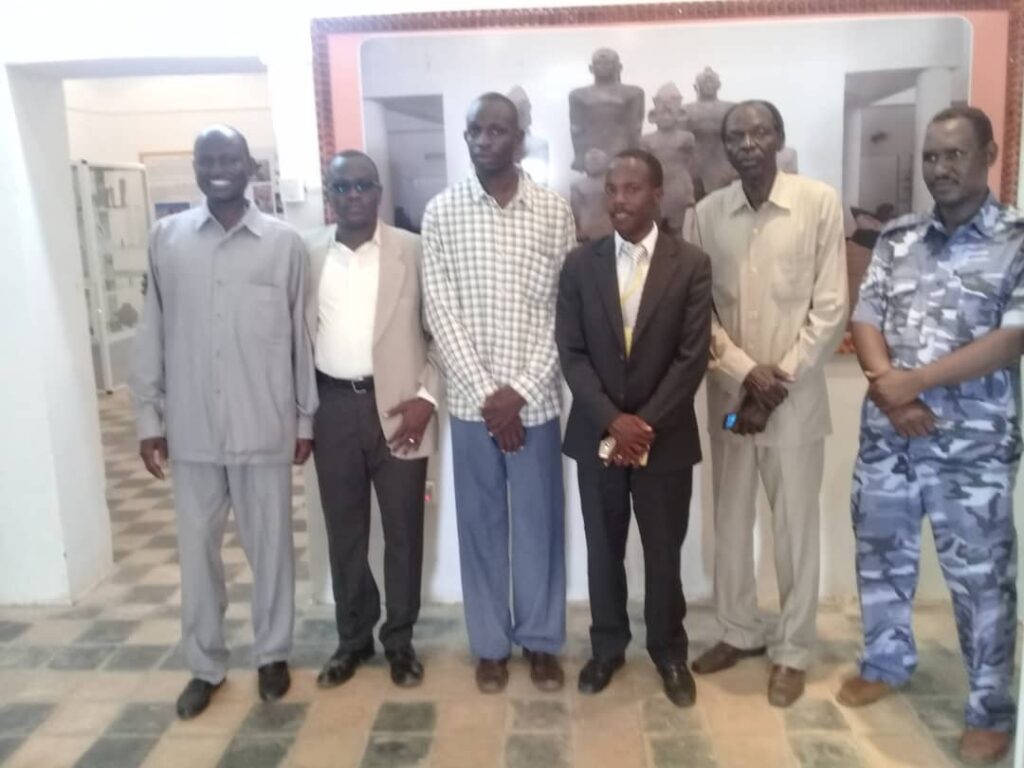
It is essential that the Sudanese government, international organizations, and civil society work together to protect Sudan’s cultural heritage and promote awareness of its importance.
The collaboration between the Sudanese government, international organizations, academia, and civil society to protect Sudan’s cultural heritage in times of war and crisis has numerous benefits, including:
1. Enhancing cultural security: International and regional cooperation can help enhance the security of archaeological sites and museums, and prevent the trafficking of antiquities.
2. Providing funding and technical expertise: International organizations can provide the necessary funding and technical expertise to protect cultural heritage.
3. Promoting cultural awareness: Joint awareness campaigns can promote awareness of the importance of Sudan’s cultural heritage.
4. Protecting world heritage: Sudan possesses a rich cultural heritage, and international cooperation can help protect this heritage for the world.
5. Enhancing tourism: Cultural heritage can be an important source of tourism, and cooperation can help promote cultural tourism.
6. Enhancing regional cooperation: Cooperation in protecting cultural heritage can enhance regional cooperation between Sudan and neighboring countries.
7. Protecting cultural identity: Cultural heritage is an important part of Sudan’s identity, and cooperation can help protect this identity.
Overall, collaboration between the Sudanese government, international organizations, and civil society can play a significant role in protecting Sudan’s cultural heritage and promoting awareness of its importance.
The work of archaeological missions in Sudan in times of war and crisis has both benefits and risks:
Benefits:
1. Documenting cultural heritage: Archaeological missions can document archaeological sites and artifacts before they are destroyed or looted.
2. Protecting cultural heritage: Archaeological missions can help protect archaeological sites from destruction and looting.
3. Promoting cultural awareness: Archaeological missions can promote awareness of the importance of Sudan’s cultural heritage.
4. Training local staff: Archaeological missions can train local staff on methods of preserving cultural heritage.
5. Enhancing international cooperation: Archaeological missions can enhance international cooperation in the field of cultural heritage protection.
Risks:
1. Risk of destruction or looting: Archaeological sites may be vulnerable to destruction or looting due to war and crisis.
2. Risk of injury or death: Archaeological missions may face the risk of injury or death due to war and crisis.
3. Transfer of artifacts: War may lead to the transfer of artifacts abroad without the permission of the Sudanese authorities.
4. Deterioration of archaeological sites: War may cause deterioration of archaeological sites due to mishandling or lack of expertise.
Therefore, it is essential that archaeological missions in Sudan work in cooperation with the Sudanese authorities and international organizations, and follow necessary security and precautionary measures to protect Sudan’s cultural heritage.
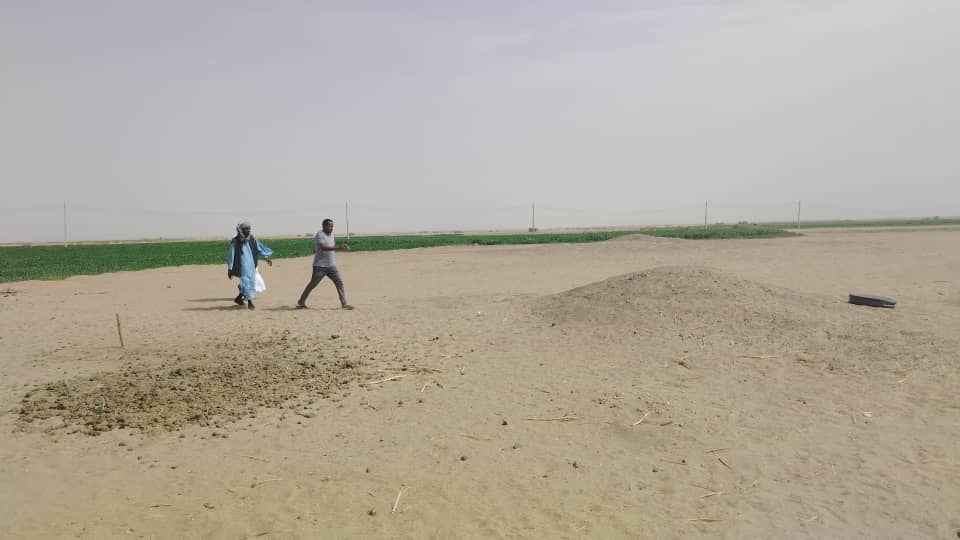
The risk to archaeological mission personnel in Sudan in times of war is a vital and important topic. There are several risks facing archaeological mission personnel in Sudan, including:
1. Risk of injury or death: Archaeological missions may face the risk of injury or death due to war and crisis.
2. Kidnapping or detention: Archaeological mission personnel may be kidnapped or detained by armed groups.
3. Looting or theft of equipment: Equipment and tools used in archaeological missions may be looted or stolen.
4. Destruction of archaeological sites: Archaeological sites may be destroyed or looted due to war and crisis.
5. Difficulty accessing sites: It may be difficult to access archaeological sites due to war and crisis.
6. Lack of logistical support: There may be a lack of logistical support and resources necessary for archaeological missions.
7. Risk of disease: Archaeological mission personnel may be exposed to the risk of disease due to poor health conditions.
Therefore, it is essential that archaeological missions take precautionary and security measures to protect their personnel, such as:
1. Cooperating with local authorities: Working with local authorities and international organizations to ensure the safety of the mission.
2. Risk assessment: Assessing potential risks and taking necessary measures to mitigate them.
3. Providing logistical support: Providing logistical support and resources necessary for the mission.
4. Training personnel: Training personnel on security and precautionary procedures.
5. Continuous monitoring: Continuously monitoring the security situation and communicating with local authorities.
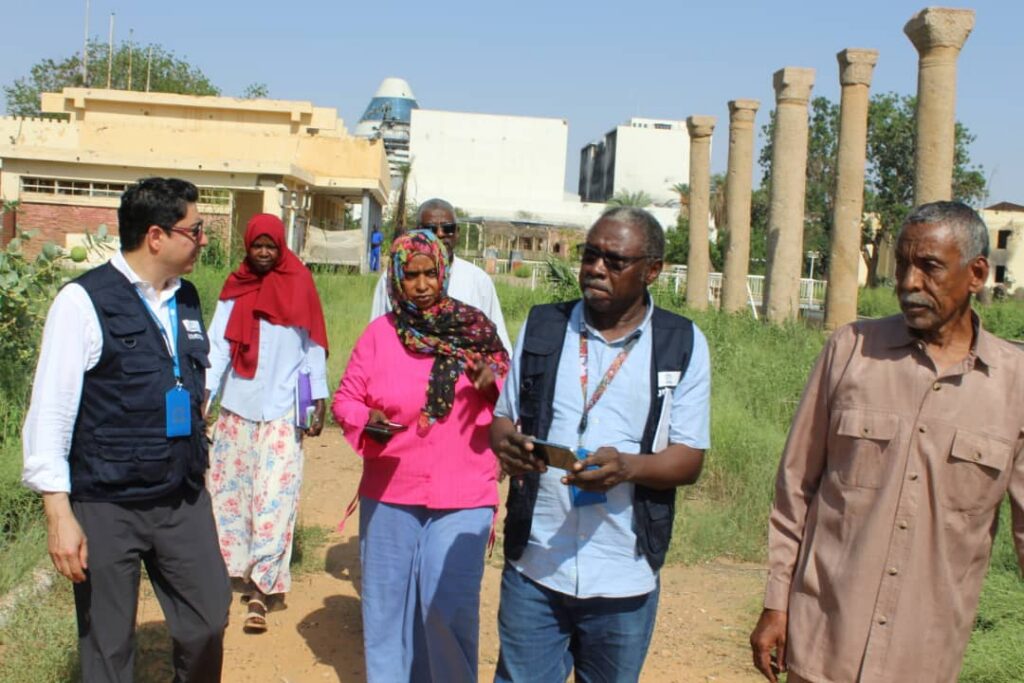
What are the responsible authorities for protecting global, international, and academic archaeological personnel in times of war and emergency?
There are several authorities responsible for protecting global, international, and academic archaeological personnel in times of war and emergency, including:
1. United Nations Educational, Scientific and Cultural Organization (UNESCO): UNESCO is the primary authority responsible for protecting world cultural heritage and provides support and assistance to archaeological personnel in times of war and emergency.
2. International Union of Academies: The International Union of Academies is an international organization that works to protect cultural heritage and promote international cooperation in the field of archaeology.
3. International Committee of the Red Cross and Red Crescent: The International Committee of the Red Cross and Red Crescent works to protect civilians, including archaeological personnel, in times of war and emergency.
4. International Atomic Energy Agency: The International Atomic Energy Agency works to protect cultural heritage from damage caused by nuclear radiation.
5. Non-Governmental Organizations: There are many non-governmental organizations that work to protect cultural heritage and archaeological personnel in times of war and emergency, such as BLAZ and Cultural Heritage in Danger.
6. Local Authorities: Local authorities in countries affected by war and emergency are responsible for protecting archaeological personnel and cultural heritage.
7. International Emergency Organizations: International emergency organizations such as Médecins Sans Frontières (MSF) and the International Committee of the Red Cross (ICRC) provide humanitarian assistance, including protection of archaeological personnel, in times of war and emergency.
These authorities work together to provide support and assistance to archaeological personnel in times of war and emergency, and to ensure the protection of cultural heritage.
Is it necessary for archaeological personnel to work in times of war and crisis?
Archaeological personnel working in times of war and crisis is not always necessary, but it can be important in some cases. Here are some points to consider:
Risks of archaeological work in times of war and crisis:
When should archaeological personnel work in times of war and crisis?
1. When there is a risk to cultural heritage: If there is a risk to cultural heritage, archaeological personnel should work to protect it.
2. When there is an opportunity to document cultural heritage: If there is an opportunity to document cultural heritage, archaeological personnel should work on it.
3. When there is support from local authorities: If there is support from local authorities, archaeological personnel should work to protect cultural heritage.
In conclusion, archaeological personnel should assess the risks and benefits before deciding to work in times of war and crisis.